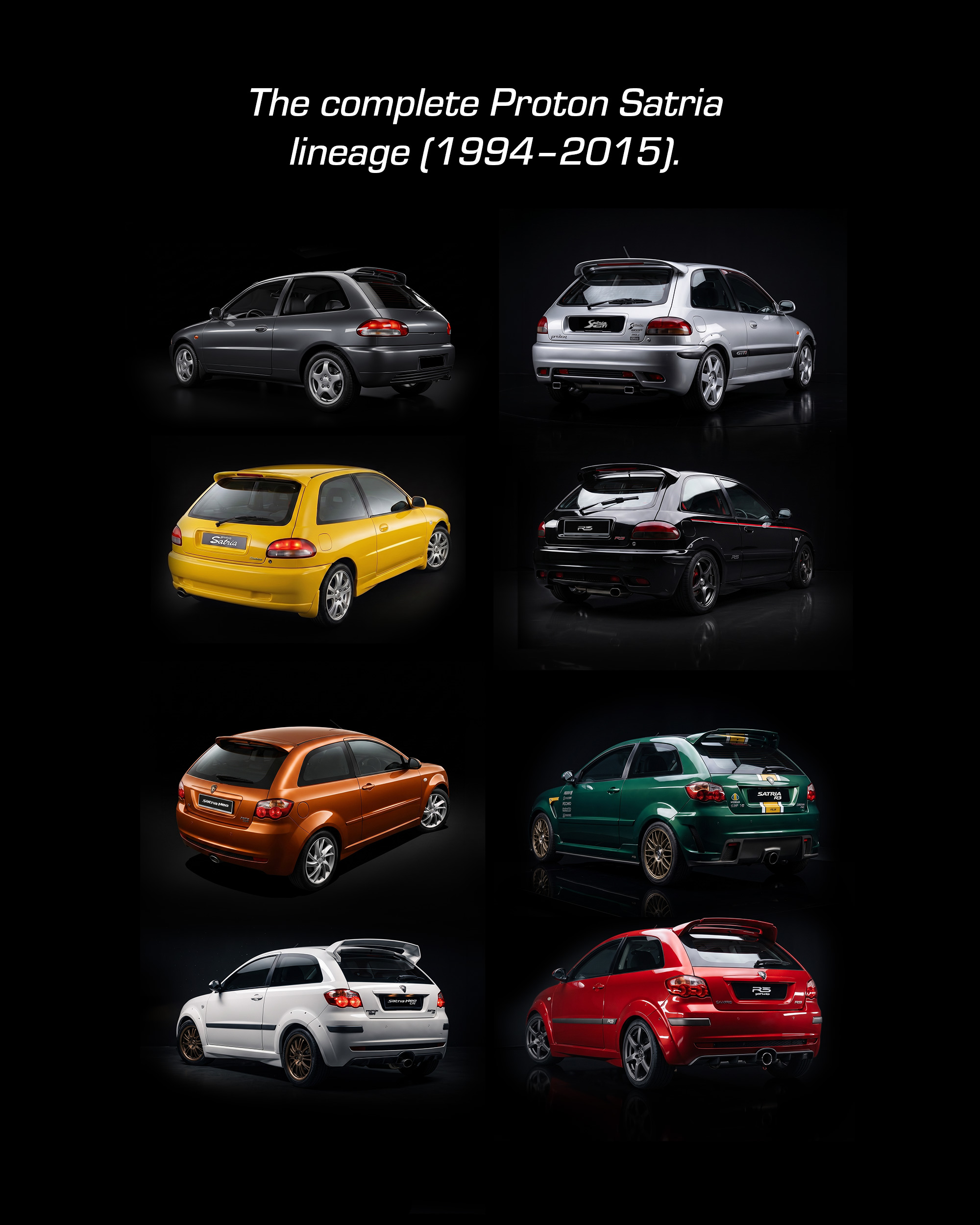
Few cars hold a tighter grip on local automotive culture than the Proton Satria. Born in 1994 on Mitsubishi’s proven Mirage/Colt platform, what began as a humble, clean-profile three-door quickly matured into a defining staple of regional grassroots motorsport and street builds.
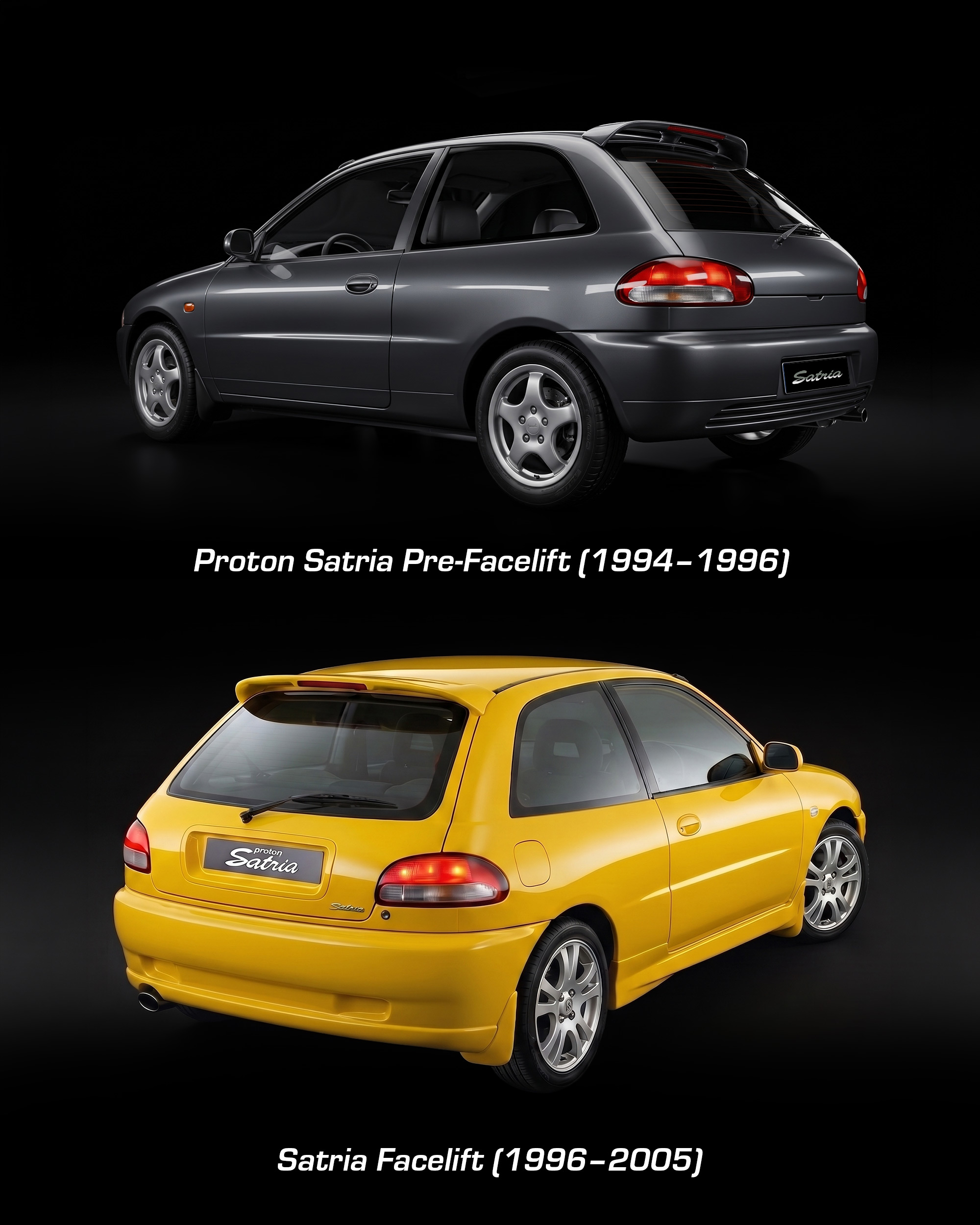
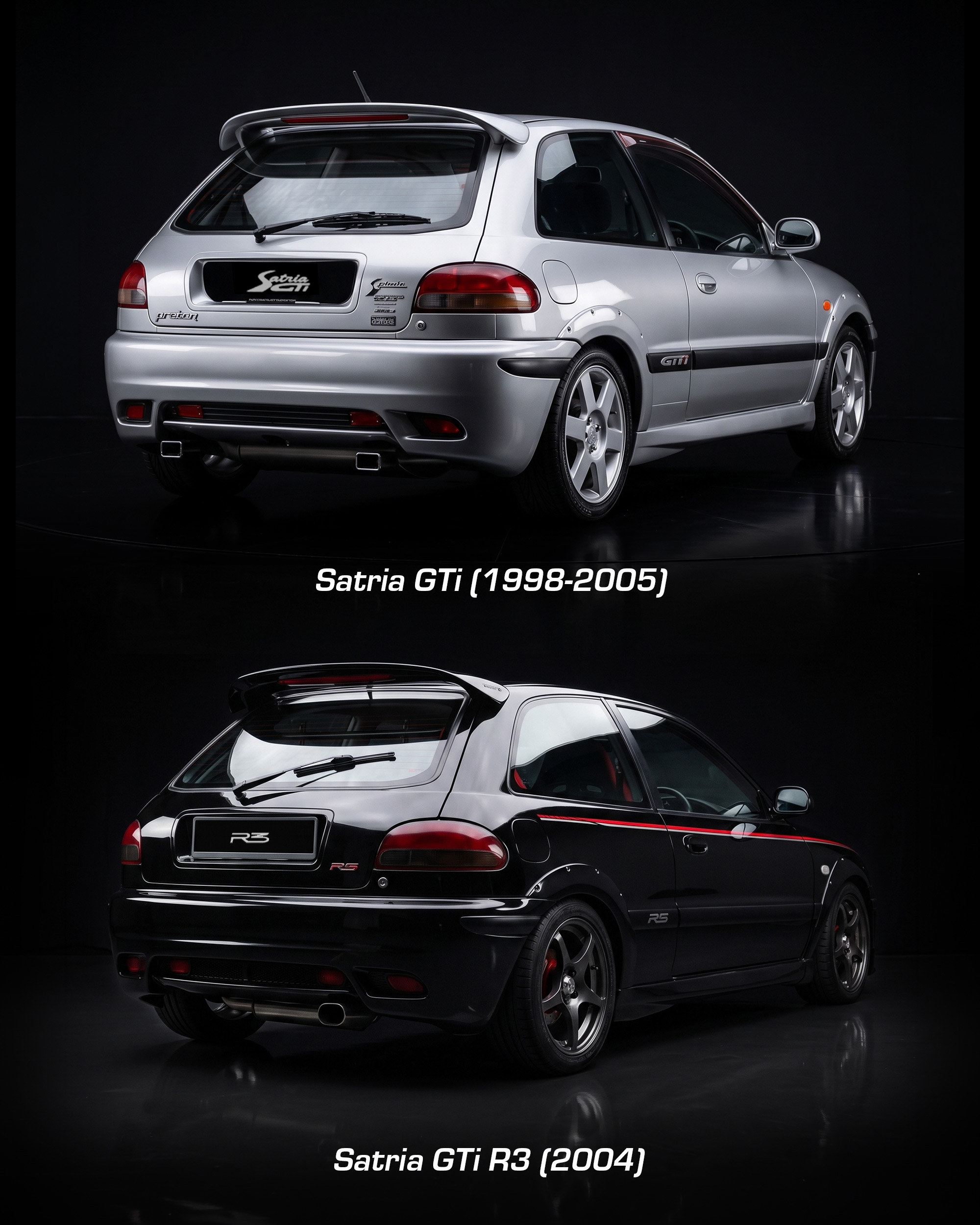
The C99 Era: Raw Mechanical Roots The early pre-facelift (1994–1996) and facelift (1996–2005) generations kept things simple, reliable, and lightweight. But the game shifted entirely when Lotus Ride & Handling entered the frame. The Satria GTi (1998) brought aggressive riveted overfenders, Recaro buckets, and the punchy 1.8-liter 4G93P, instantly cementing hot hatch credibility. By 2004, Race Rally Research stripped it back even further with the lightweight, seam-welded Satria GTi R3, delivering an uncompromising driver’s setup straight from the factory.
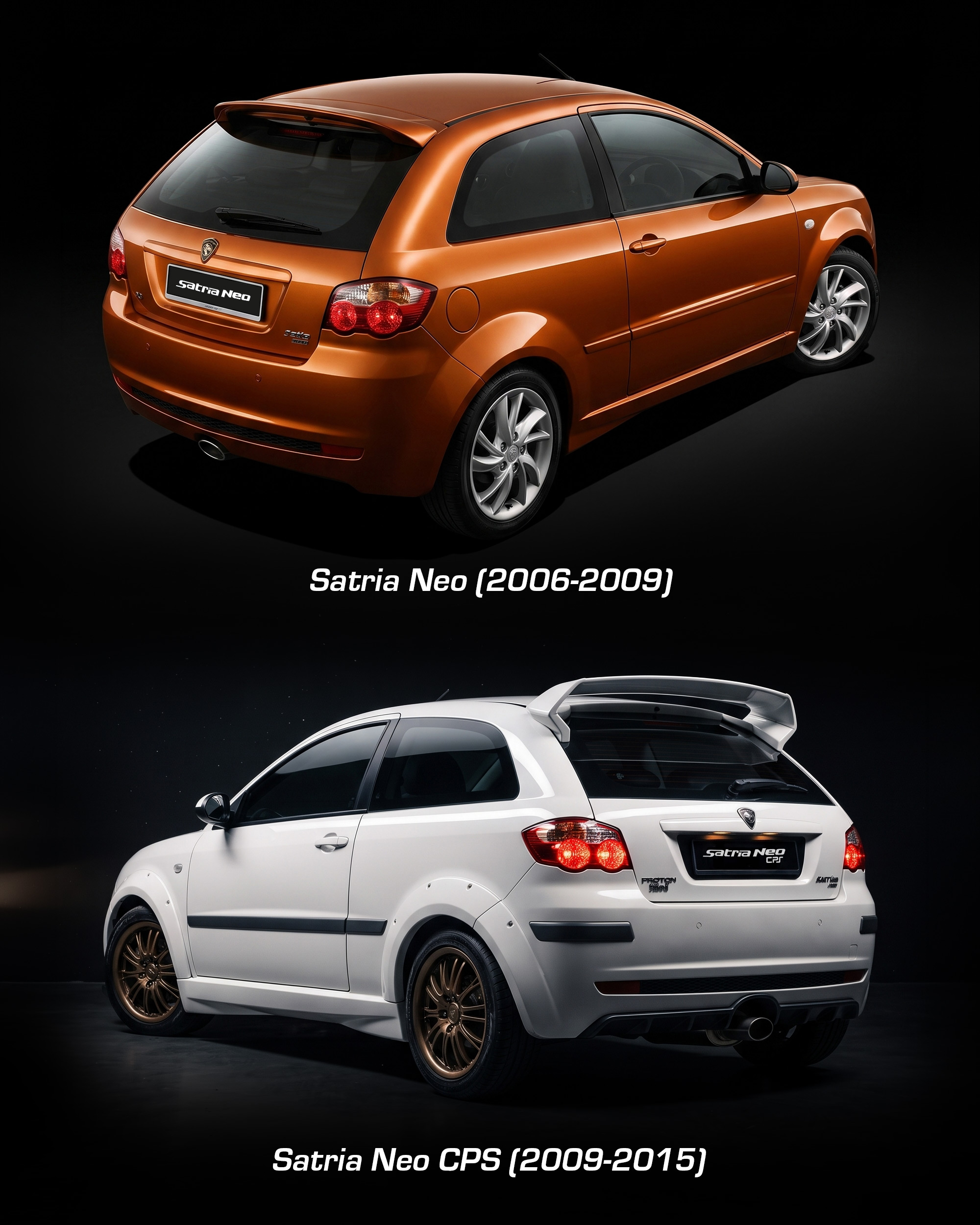
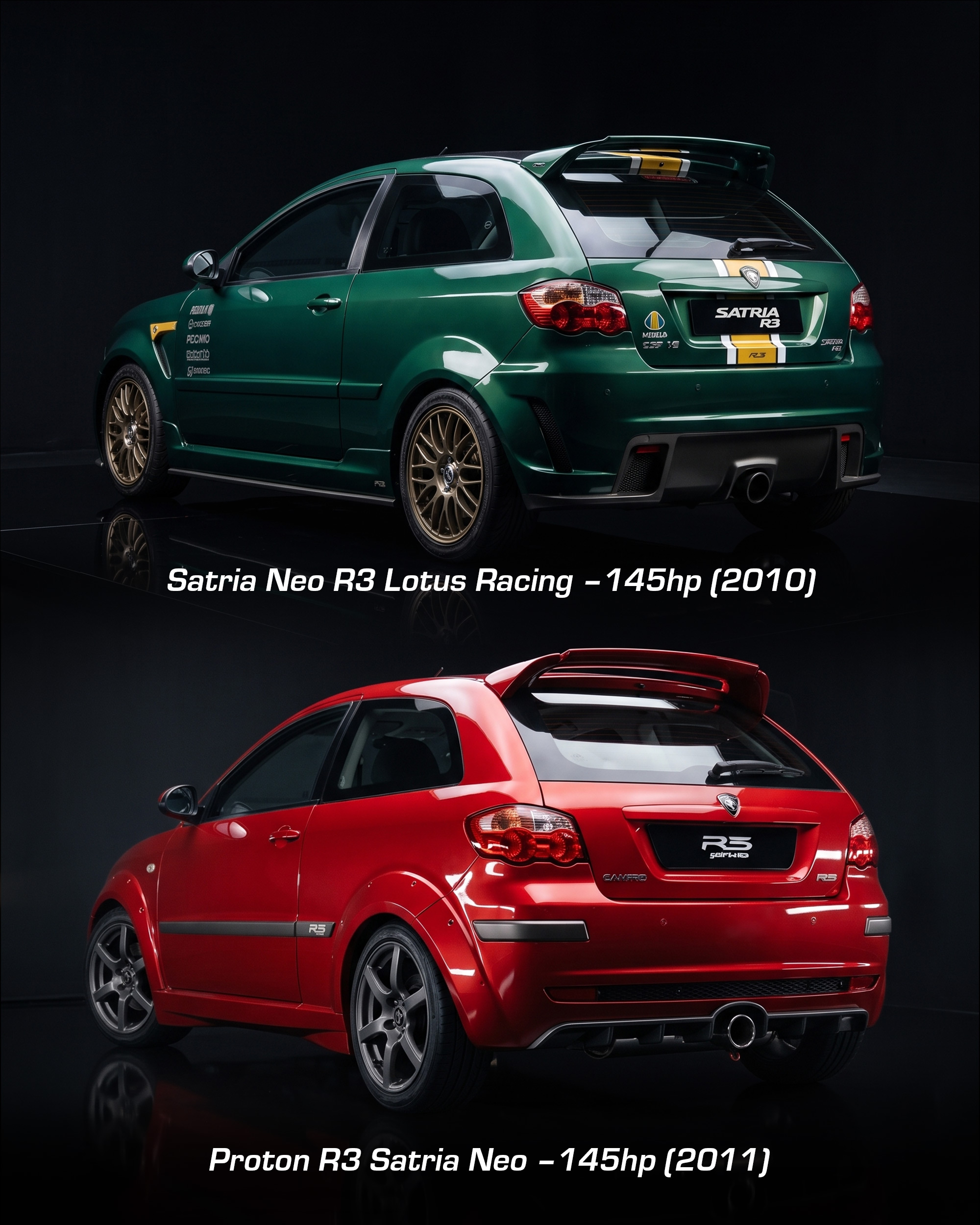
The Neo Era: Purpose-Built Edge In 2006, Proton went proprietary with the Satria Neo. Featuring bespoke, sculpted body lines and an unmistakable coupe-hatch silhouette, the chassis came alive with the later CPS (2009) and the limited-run R3 Lotus Racing (2010). Pumping out 145 hp from a naturally aspirated CamPro, wrapped in British Racing Green with AP Racing stoppers, it remains one of the sharpest packages ever rolled out of Shah Alam, closely followed by the aggressive 2011 R3 Neo.
Across two decades, the Satria evolved from honest 90s commuter bones into a thoroughbred tarmac and rally weapon—a pure, analog lineage worth celebrating.