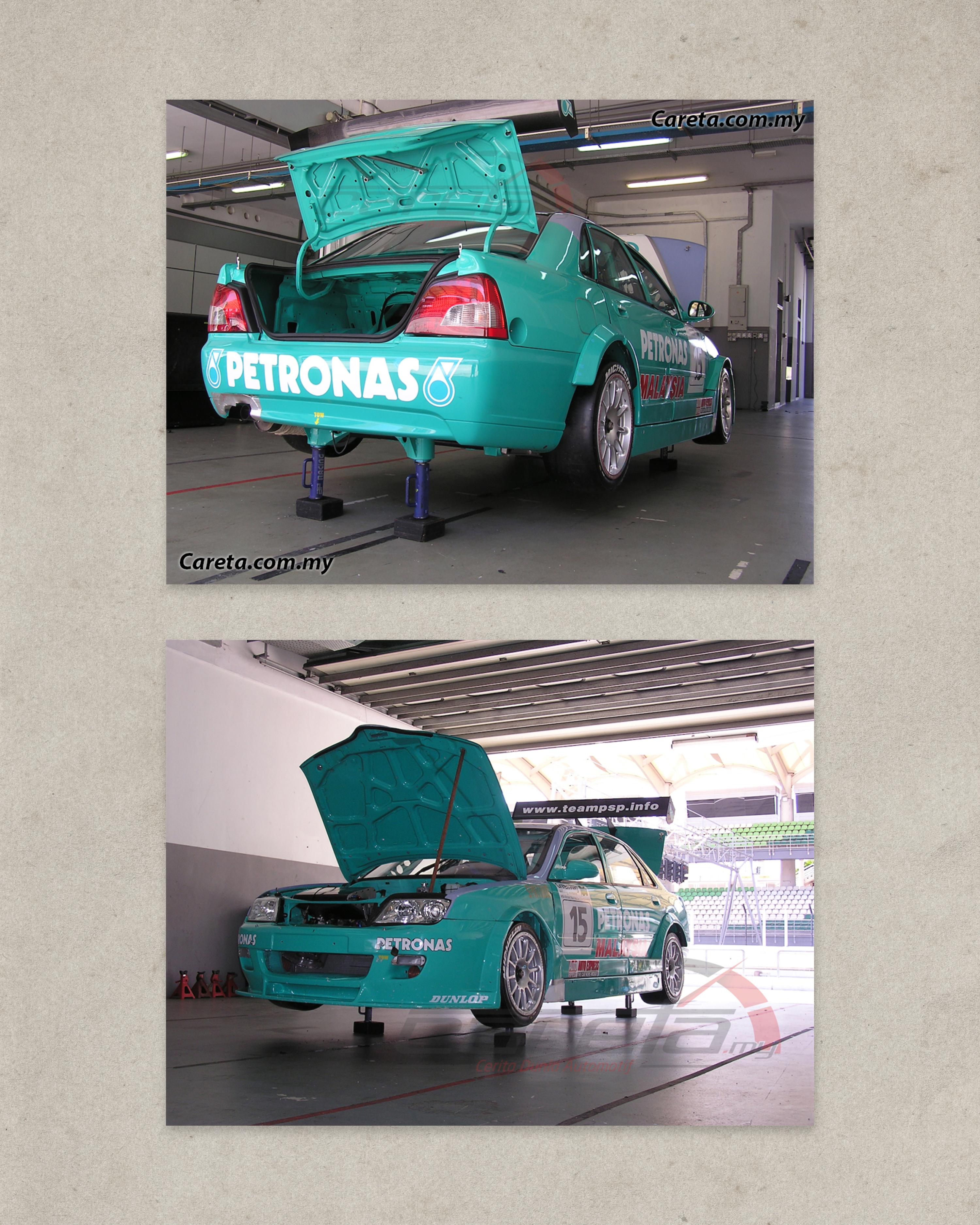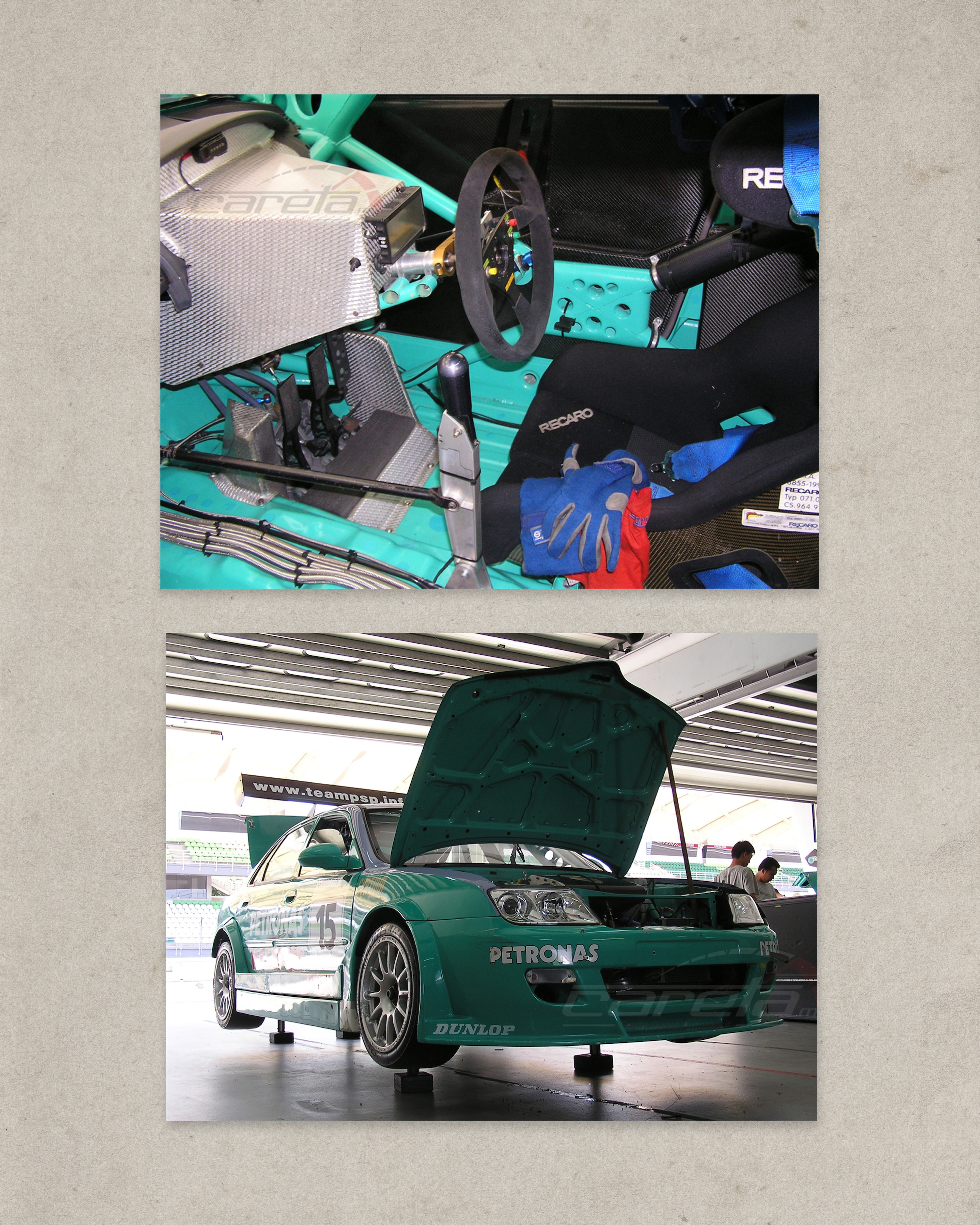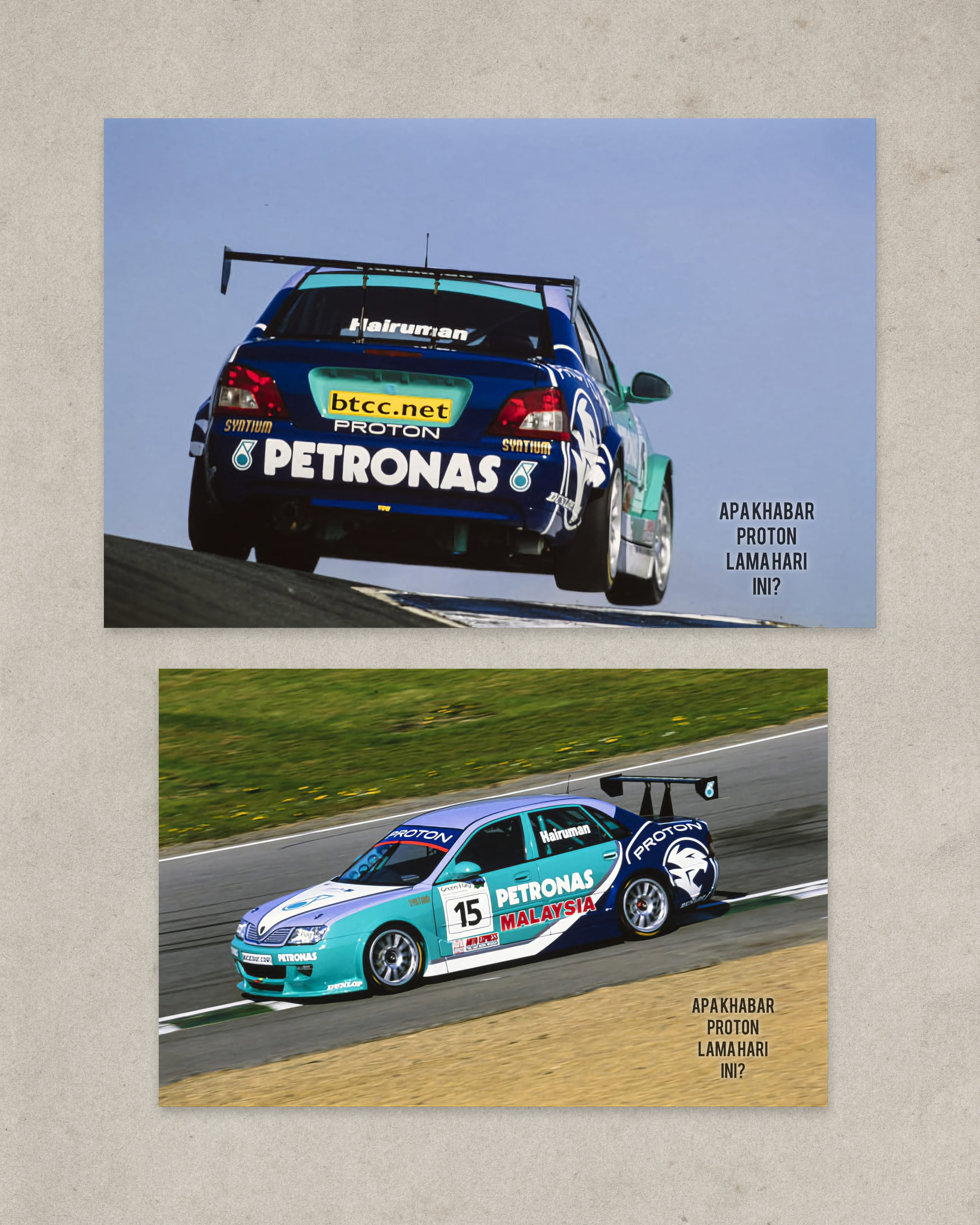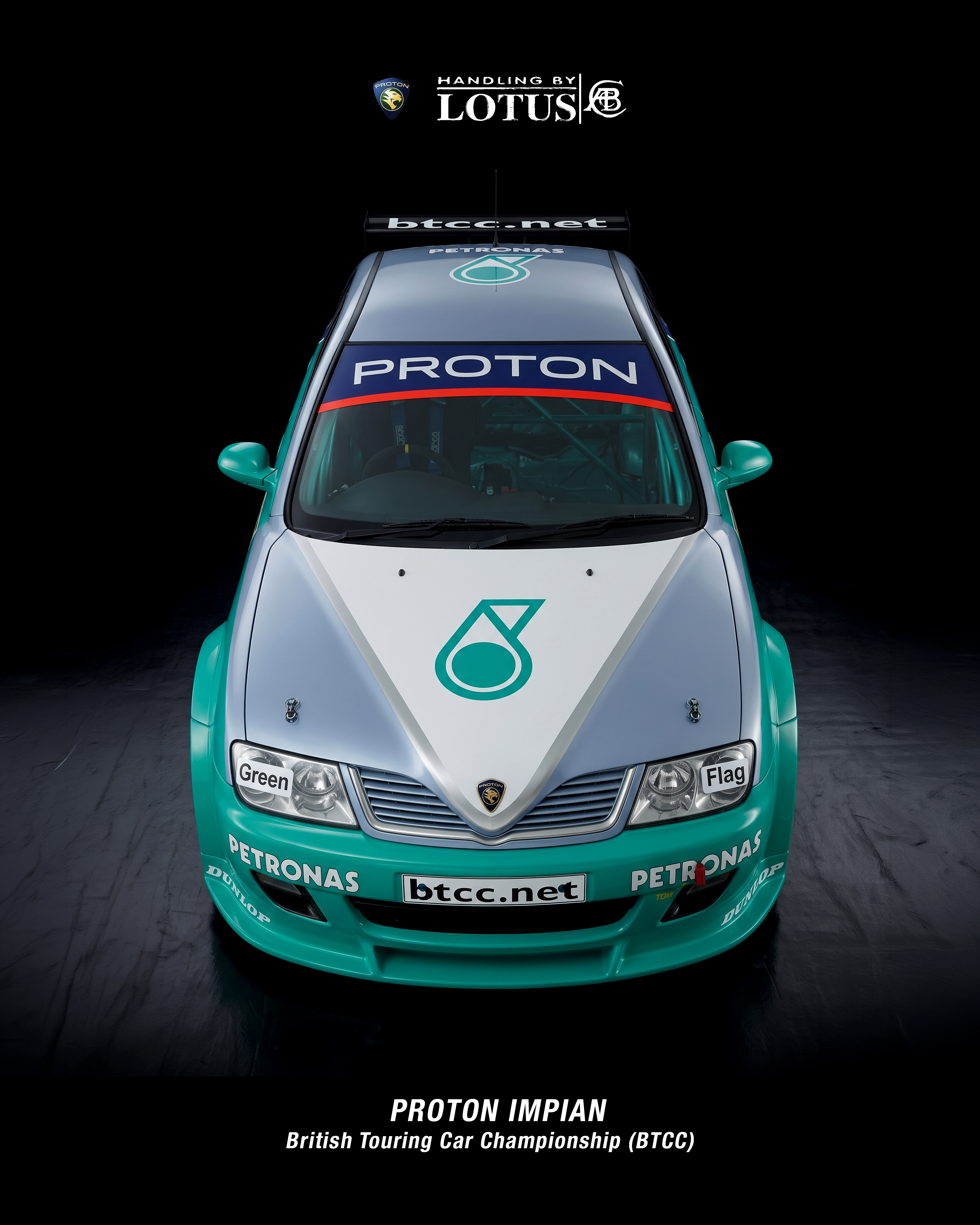
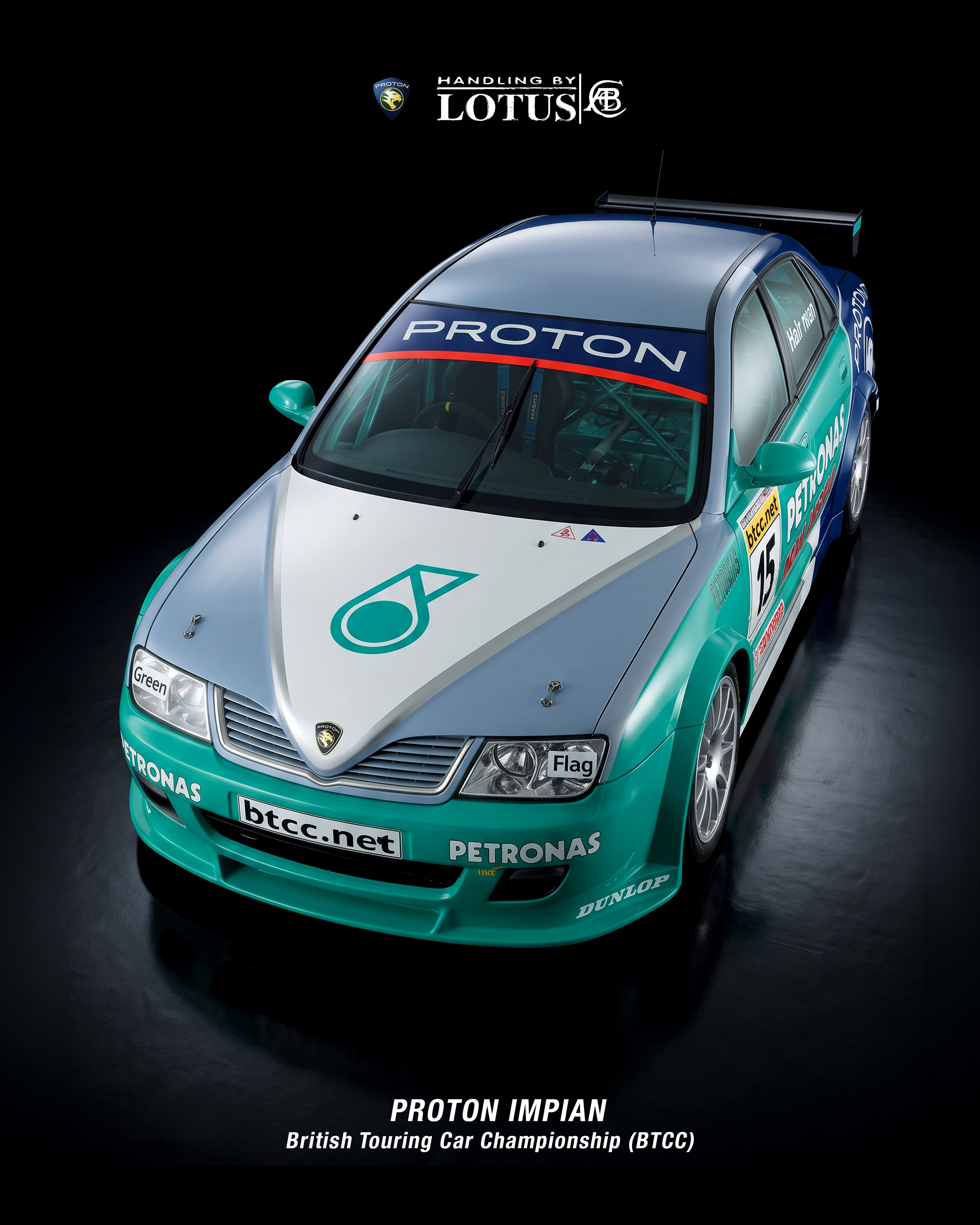
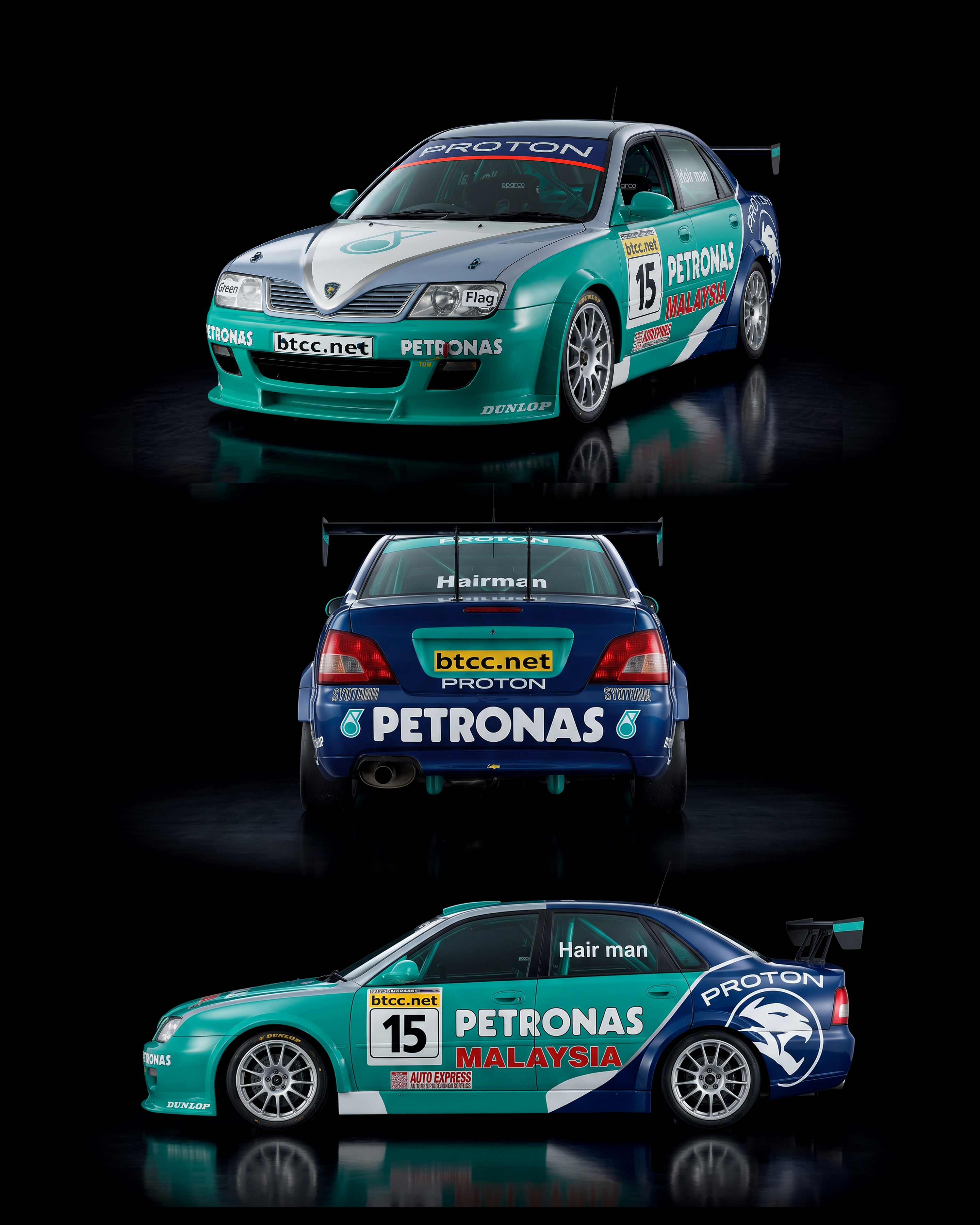
When petrolheads talk about the British Touring Car Championship (BTCC) in the early 2000s, names like Vauxhall, Honda, and MG usually dominate the conversation. Yet, etched into touring car folklore is an audacious, vibrant green-and-blue machine that took the fight directly to Europe’s racing elite: the Proton Impian (Waja) BTCC.
Campaigned by Team Petronas Syntium Proton (PSP) during the Super 2000 era, this bespoke touring car left an indelible mark on Malaysian motorsport history. Behind the iconic livery and track battles lies a fascinating technical and human story that few fully know.
1. Not a Factory Works Team
Contrary to widespread belief, the BTCC Impian was not a Proton factory-backed project. Proton’s headquarters did not fund or technically steer the build. Instead, the initiative was driven and funded entirely by Malaysia’s national energy giant, Petronas. Bearing the Proton badge was purely an act of national pride—a mission to showcase a Malaysian car model on one of the world’s most competitive touring car grids.
2. Engineered Across Three Continents
The car’s conception was truly global:
- The initial concept sparked during Petronas’ motorsport involvement in South Africa.
- Conceptual chassis engineering was supported by technical partners in Australia.
- Final assembly and preparation took place in Norfolk, United Kingdom.
Crucially, this was not just an outsourced project. Three Malaysian Petronas engineers were stationed in the UK, playing an integral role in chassis development and engineering alongside British motorsport veterans.
3. Race-Bred Renault Power via Mountune
Under the vented bonnet sat a thoroughbred race powerplant:
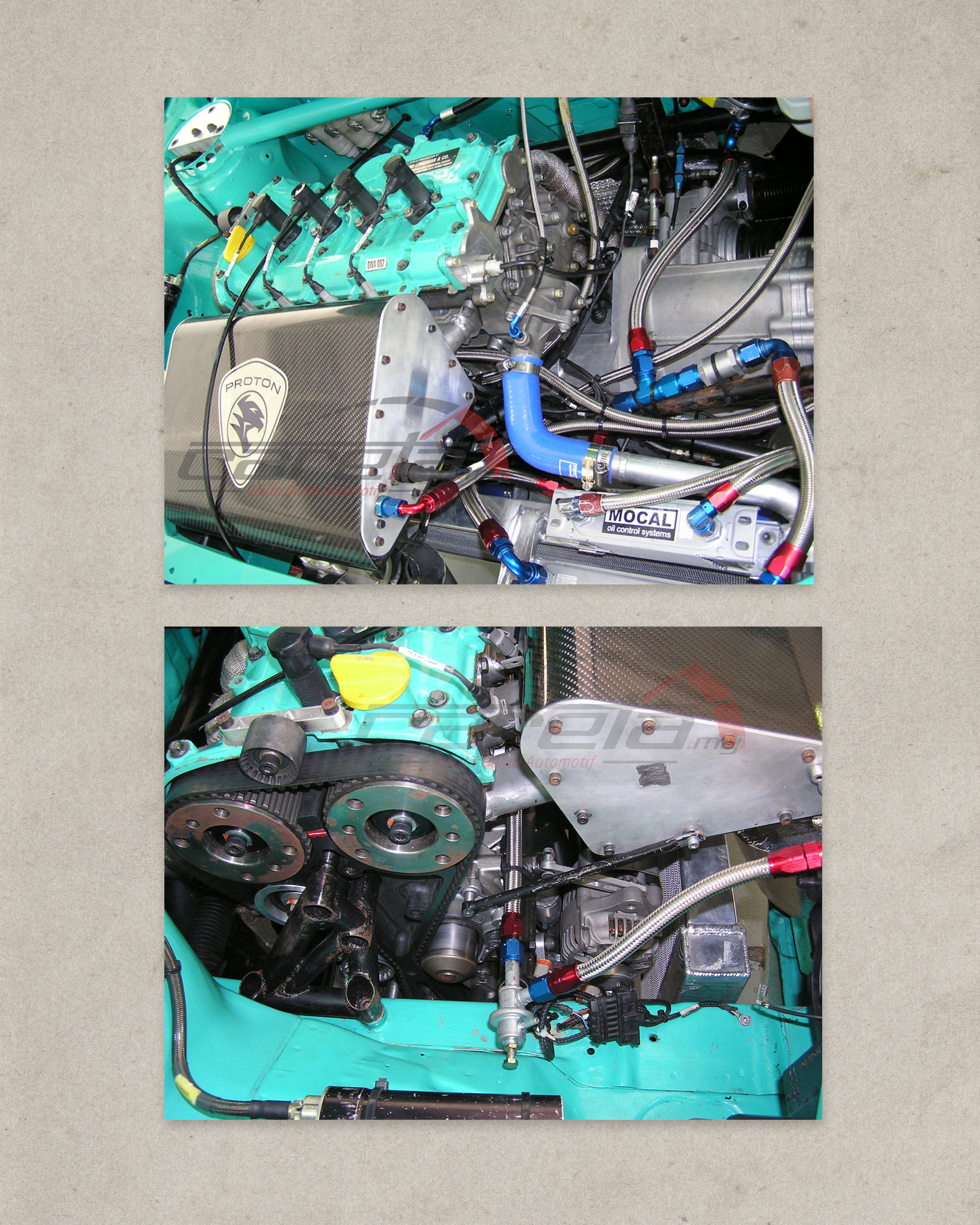
- Engine: Based on the Renault 1.8-litre block found in the road-going Waja 1.8, the engine was extensively bored and rebuilt by renowned engine builder Mountune Racing to the regulation limit of 1,996 cc.
- Drivetrain: Power was transferred to the front wheels through a bespoke Xtrac 6-speed sequential gearbox paired with an AP Racing carbon clutch.
- Suspension: The standard setup was replaced entirely with custom MacPherson struts, lightweight wishbones, Eibach springs, and Penske dampers (later upgraded to Öhlins in 2004).
4. The Incredible Rise of Fariqe Hairuman
Perhaps the most remarkable chapter of the Waja BTCC saga is its Malaysian driver, Fariqe Hairuman (fondly known as Wak Tempe).
Fariqe did not follow the traditional junior karting ladder into international touring cars. He was originally serving as a part-time track marshal at the Pasir Gudang Circuit in Johor. Recognizing raw focus and potential, late team manager David Wong recruited him with a daring mandate: train a complete novice from the ground up to compete against European works drivers. Against steep odds, Fariqe honed his craft, trading paint and famously executing overtakes against factory machines from giants like BMW.
5. Where Is the Beast Today?
Neither Proton nor Petronas preserved this historic race chassis in Malaysia. Following its retirement, the Proton Waja BTCC found a home in New Zealand, currently under the dedicated care of a former PSP team mechanic undergoing a detailed restoration.
A Timeless Icon of Malaysian Racing Spirit
The Proton Waja BTCC represents a fearless chapter where Malaysian engineering curiosity met European touring car intensity. It proved that with vision, proper backing, and grit, an unassuming family saloon from Southeast Asia could earn genuine respect on circuits like Brands Hatch, Silverstone, and Knockhill.
- Visual & Studio Renderings: Magma 12 Valve
- Historical Source & Archive: Hezeri Samsuri (Careta) & Fariqe Hairuman
- Keywords: Proton Waja, Proton Impian BTCC, Team Petronas Syntium Proton, Fariqe Hairuman, Mountune, British Touring Car Championship, Malaysian Motorsport Heritage